Short answer:
- Cosmetic dentistry covers treatments like teeth whitening, veneers, and bonding that improve the look of teeth while supporting oral health.
- Patients in Wisconsin typically start with an exam to confirm a healthy foundation before starting any cosmetic work.
- Treatment choice depends on goals, tooth condition, and how long results need to last.
Patients searching for information usually want to know what cosmetic treatments actually involve, how long they take, and what results to expect before booking a consultation. This guide breaks down the most common procedures offered across the United States and what typically happens during each visit.
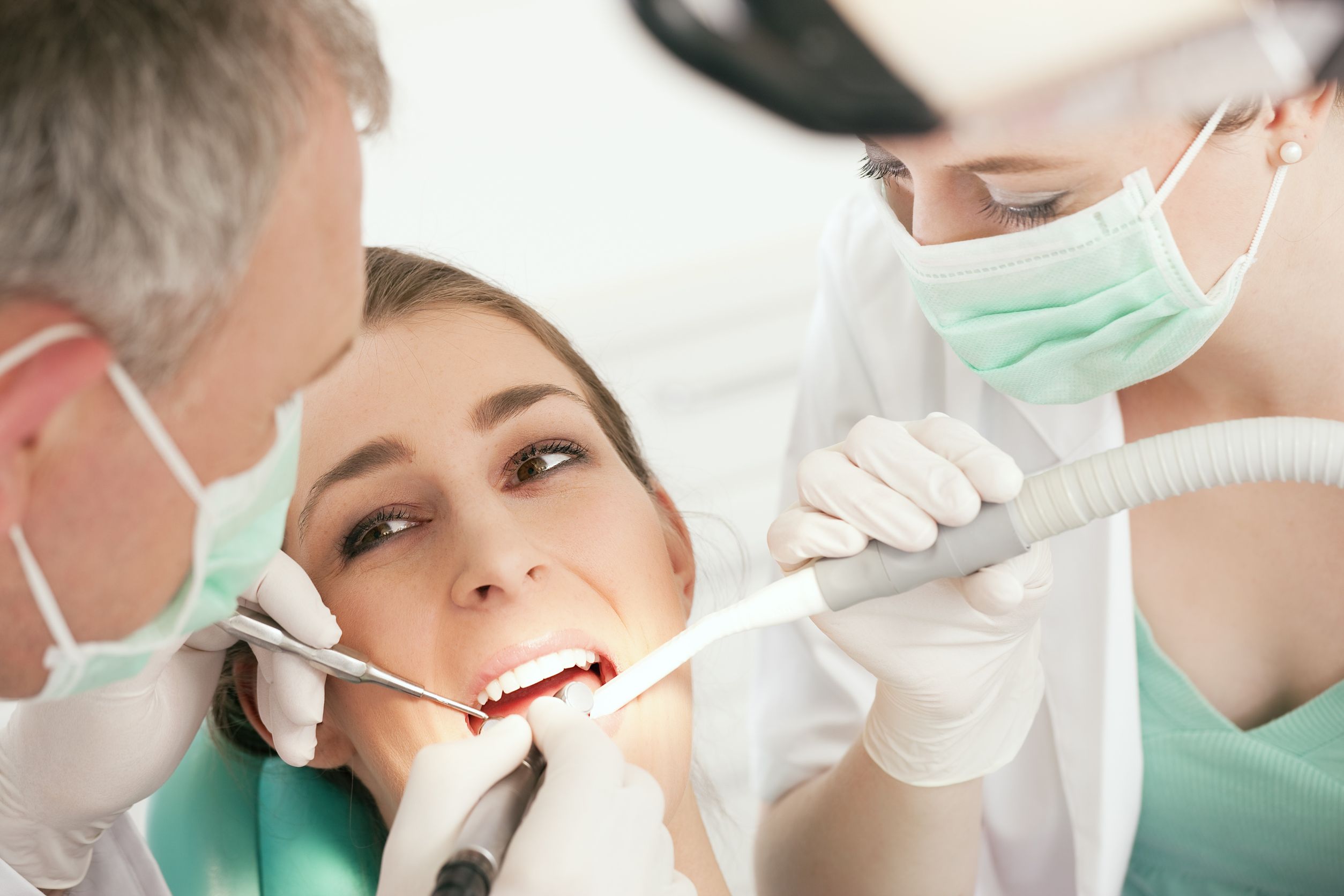
Anyone researching Cosmetic Dentistry in Madison, WI will find that most practices in the area build cosmetic plans around a health-first approach rather than appearance alone. That means a dentist reviews the condition of teeth and gums before recommending whitening, bonding, or veneers, since a stable foundation affects how long cosmetic results last.
What Counts as Cosmetic Dentistry
Cosmetic dentistry is a broad category, not a single procedure. According to a 2025 review published in a peer-reviewed dental journal, cosmetic dentistry focuses on enhancing the appearance of teeth, gums, and bite through a multidisciplinary approach involving surgery, orthodontics, periodontics, and restorative techniques. The same review notes key advancements in teeth whitening, veneers, implants, bonding, and gum contouring.
Common treatments patients encounter include:
- Teeth whitening (in-office or take-home trays)
- Dental bonding for chips, gaps, or discoloration
- Porcelain or composite veneers
- Invisalign and clear aligner therapy
- Dental implants for missing teeth
How the Most Common Treatments Work
Teeth Whitening
Whitening remains the most requested cosmetic service because it is non-invasive and produces visible change quickly. The American Dental Association explains that whitening is any process that makes teeth appear whiter, using one of two methods, and a product can bleach the tooth, changing its natural color. The ADA also warns about the misuse of over-the-counter products, since they can be too abrasive and may damage teeth with extended use. For general patient education on the differences between whitening options, the American Dental Association’s tooth whitening guidance outlines what to expect from each method.
Dental Bonding
Bonding repairs minor flaws using tooth-colored composite resin. A dentist applies the material directly to the tooth, shapes it, and hardens it with a curing light to correct chips, small gaps, or surface stains in a single visit.
Veneers
Veneers are thin shells bonded to the front of teeth to correct shape, color, or spacing issues that whitening or bonding cannot fully address. Because enamel is typically reduced slightly to fit the shell, veneers are considered a longer-term cosmetic solution rather than a reversible one.
Invisalign and Clear Aligners
Clear aligner therapy addresses crowding or spacing that affects both appearance and bite function. Patients wear a series of custom trays that gradually shift tooth position, with progress checked at intervals throughout treatment.
Comparing Common Cosmetic Options
| Treatment | Typical Timeline | Best For |
| Teeth Whitening | One visit or 1-2 weeks at home | Surface stains, dullness |
| Dental Bonding | Single visit | Chips, small gaps, minor discoloration |
| Veneers | Two or more visits | Shape, color, or alignment correction |
| Invisalign | Several months to over a year | Crowding, spacing, mild bite issues |
What to Ask Before Starting Treatment
Patients benefit from a short checklist before committing to any cosmetic procedure:
- Does the treatment address the actual concern, or just mask it temporarily?
- How long will results realistically last with normal wear?
- Is the tooth and gum foundation healthy enough to support the procedure?
- What maintenance or follow-up care is required afterward?
Asking these questions during a consultation helps set realistic expectations and avoids repeat procedures down the line.
FAQ
Is cosmetic dentistry only about appearance? Not entirely. Many cosmetic procedures, including bonding and aligners, also address functional issues like bite alignment or tooth structure.
How long does teeth whitening last? Results vary by diet and oral hygiene habits, but in-office whitening generally lasts longer than over-the-counter products because it uses higher-strength formulas applied under supervision.
Are veneers reversible? Generally no, since a small amount of enamel is removed to fit the shell, making veneers a long-term commitment rather than a temporary fix.
Do I need an exam before starting cosmetic treatment? Most dental practices require an evaluation of teeth and gum health first, since underlying issues can affect how well cosmetic results hold up over time.
Choosing a cosmetic treatment comes down to matching the procedure to the actual concern, not just the fastest-looking fix. Patients who ask detailed questions during a consultation and confirm their oral health is stable tend to see more predictable, longer-lasting results. For residents exploring options locally, Parkview Dental Associates Sc is one practice serving the Madison, Sun Prairie, and DeForest area that patients can research further when comparing cosmetic dentistry providers.